I Built a Financial Literacy Course for My Kids. Now It’s for Yours.

During COVID-19, it nearly broke my heart watching my boys get handed a laptop by their teachers. All they had to do was click a button and say they were there. No learning. No experience. No effort. That was the new reality.
As a dad, this was not acceptable.
So I did what any slightly crazy but loving father would do. I withdrew them from public school — knowing that with my passion for teaching and even minimal effort, I could do far better than what the schools were doing. It turned out to be one of the best parenting decisions I ever made.
What followed was a two year journey I will never forget.
The RV That Became a Classroom
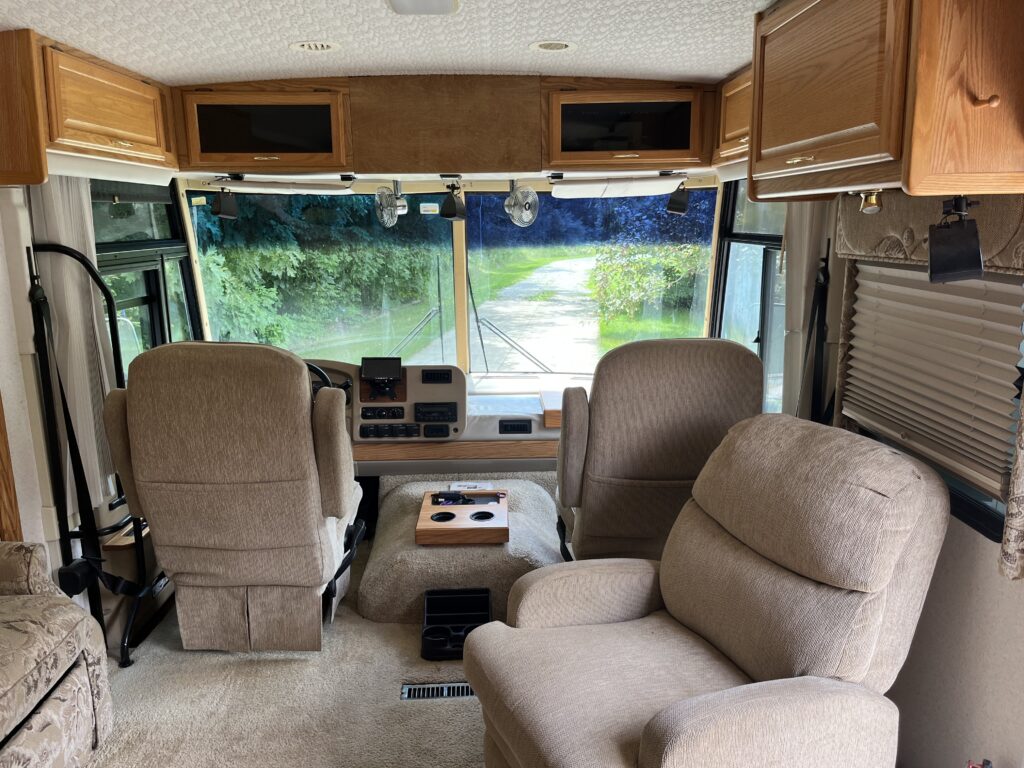
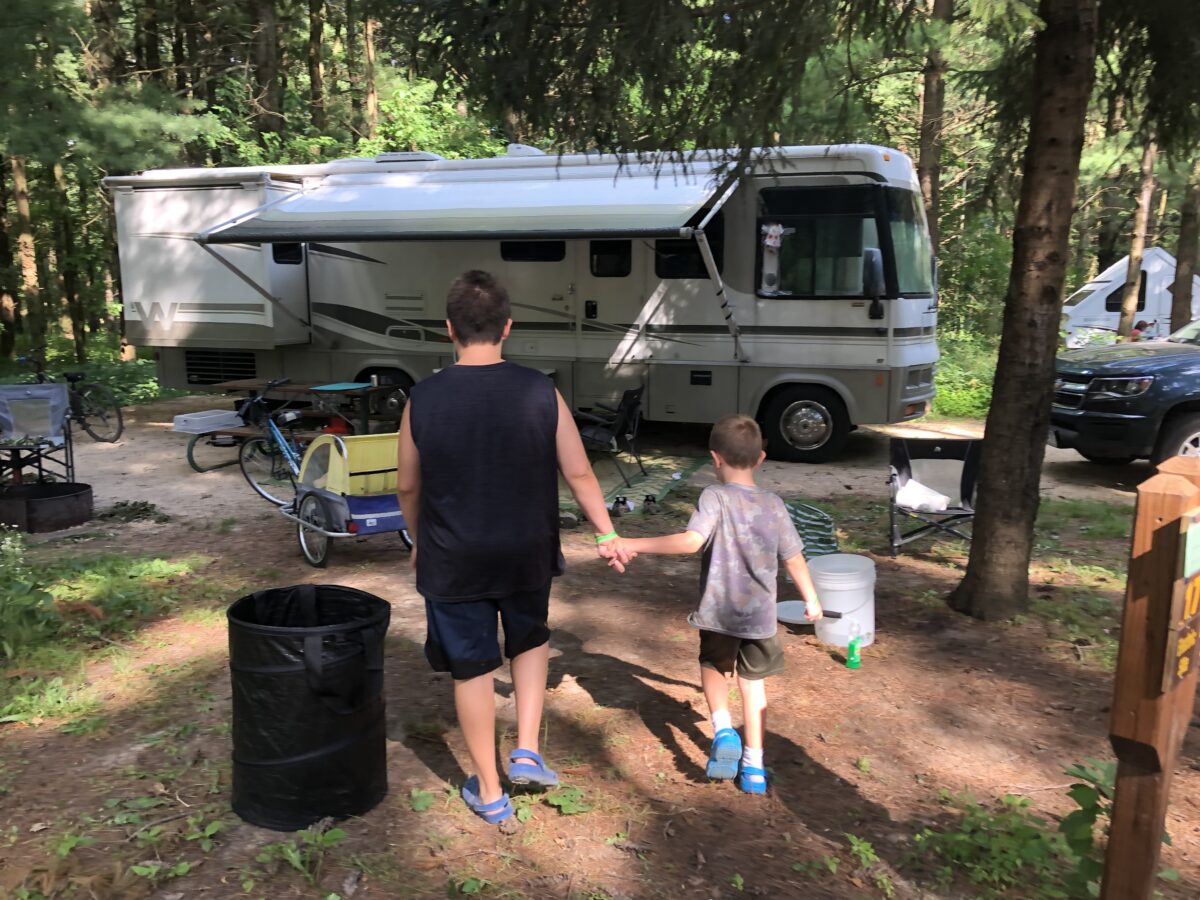
We had a junky RV that I used to complain about constantly — until the world shut down and we couldn’t fly anywhere. Suddenly that RV became a portal.
We studied history and science at home, then hit the road to live it. Our curriculum followed a simple but powerful idea — learn it first, then go experience it. We took a course called the History of Science, and it took us through the stories of the world’s greatest inventors, then challenged us to repeat their discoveries ourselves.
We spent a week camping at the Outer Banks of North Carolina studying flight — reading about Wilbur and Orville Wright, building our own understanding of aerodynamics, and then flying large kites on the same airstrip where the Wright Brothers first left the ground during their annual kite festival.
Those two years also took us across the country on countless family field trips — and contributed significantly to what is now a family total of 36 National Parks hiked and explored. Windows down, maps out, learning things that no classroom could have taught us.
I could write a book about those two years. It was a magical period of my life and theirs.
The Course I Built for My Boys
But during that same time, I noticed something that bothered me. Schools weren’t teaching financial literacy — not in any meaningful, comprehensive way. Some covered the basics. A checking account here, a savings account there. But most kids were leaving school with enormous gaps in their financial knowledge. Those gaps don’t stay hidden. They show up in adulthood, causing a whole variety of problems that follow people for decades.
So I decided to do something about it.
I created my own financial literacy course for my kids — and made them take it.
I built it to be fun and interactive, because personal finance doesn’t have to be dry or intimidating. It can be a journey. Much like this website, I wanted it to feel like an adventure worth taking, not a lecture worth dreading.
My boys took it. It worked. And I’ve been thinking ever since about how to make it available to other families who want the same thing for their kids.
Now I’m finally doing it.
Introducing Monthly Money: Base Camp
Where the financial climb begins.
Monthly Money: Base Camp is a youth financial literacy course built for parents and kids to take together. It covers the foundation — earning, saving, budgeting, first accounts, and basic investing — in a way that’s engaging, age-appropriate, and designed to actually stick.
We plan to launch in late summer or early fall 2026. The timing is a little bittersweet for me personally — my oldest is heading off to college right around launch. This course was built for him and his brothers first. Now I’m passing it on to your family.
There is a massive gap in our kids’ financial education and most schools aren’t going to fill it. That’s on us as parents. It’s our job to make sure our kids are prepared for adulthood — even when the system falls short.
Join the Waitlist
If you want to be among the first to know when Monthly Money: Base Camp launches — including early access and any launch pricing — join the waitlist below.
No spam. Just one email when the doors open.
See you and your kids at the top.